

PARTNER CONTENT
Every day, roughly 60,000 more people move into Africa’s cities. Every one of them needs somewhere to live.
That adds up to roughly 23 million new urban residents a year, according to the OECD, which also counts over 230 special economic zones across the continent and roughly 10 to 20 large master-planned new cities. Somebody has to build those places, and somebody has to pay for them.
At the Charter Cities Institute, we organise the New Cities Summit, so we talk to the people who build new cities and the people who would fund them. They all tell us the same thing: there’s a masterplan, there’s money somewhere, and nothing happens, because the work in between hasn’t been done.
That work has a name: Phase Zero. It’s the groundwork before any building starts: checking the project actually stacks up, working out what it will cost and what it will do to the land and people around it, and setting up the legal structure. Governments and developers often don’t pay for it, so an investor ends up with nothing solid to look at.
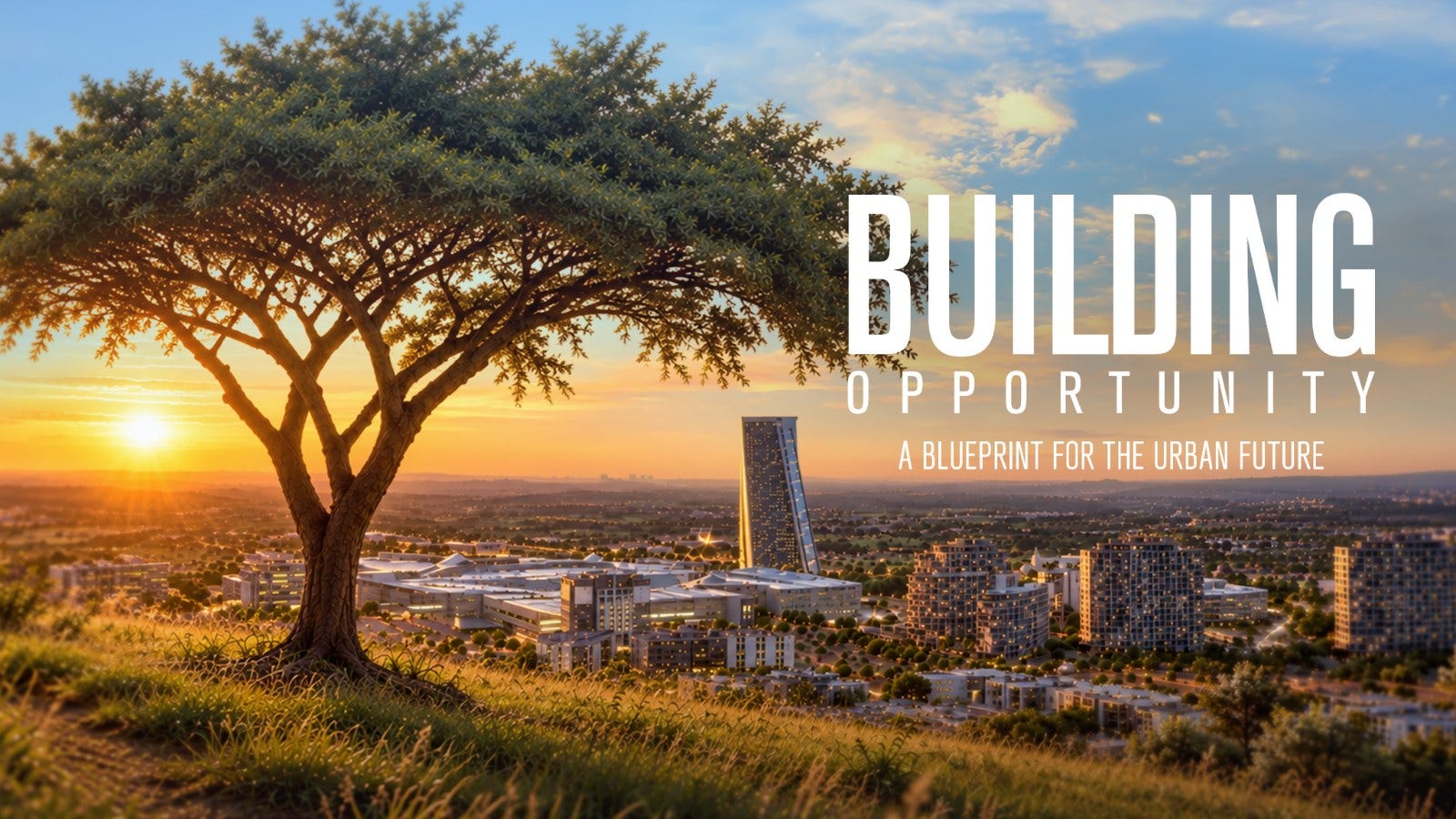
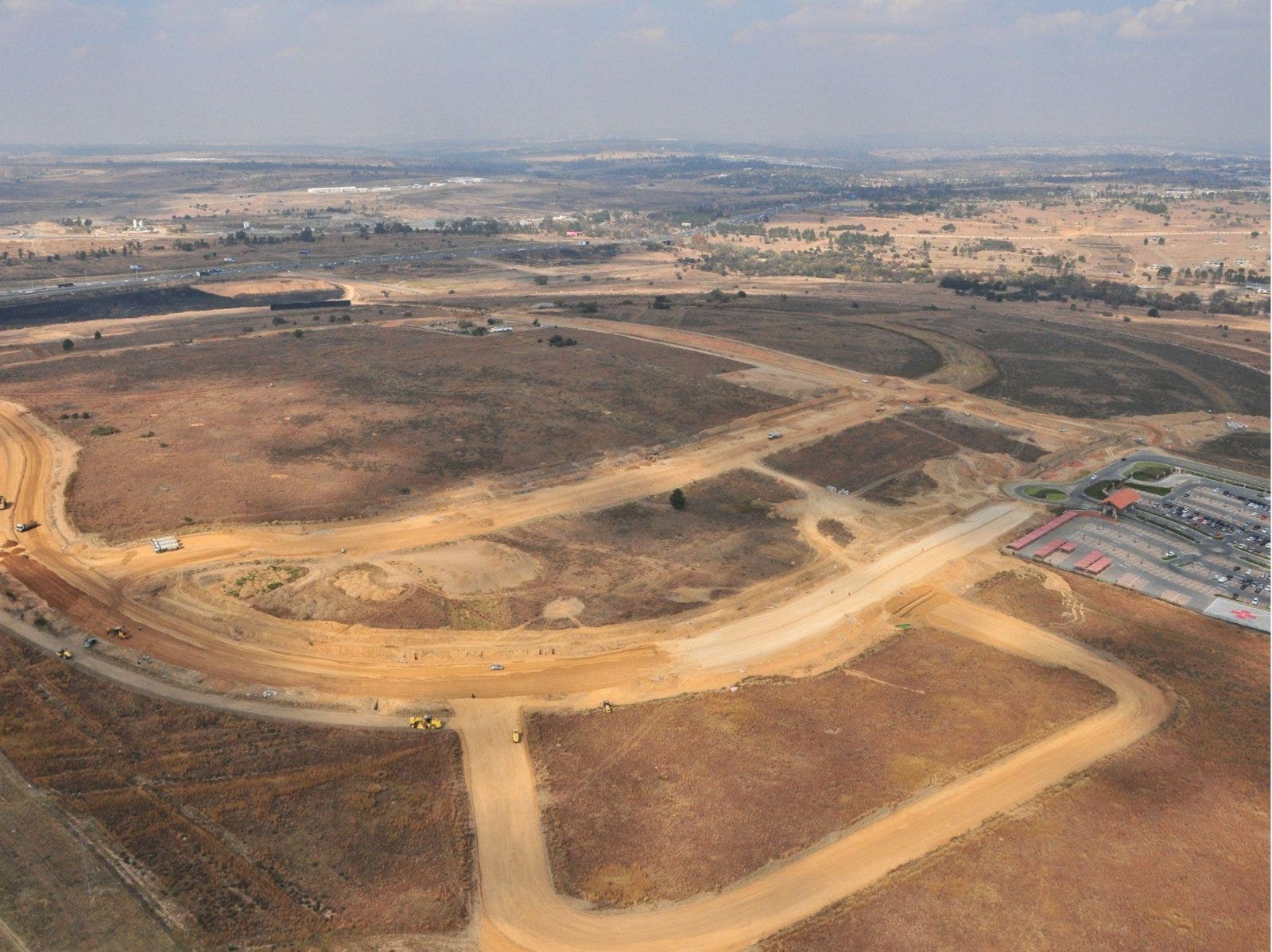
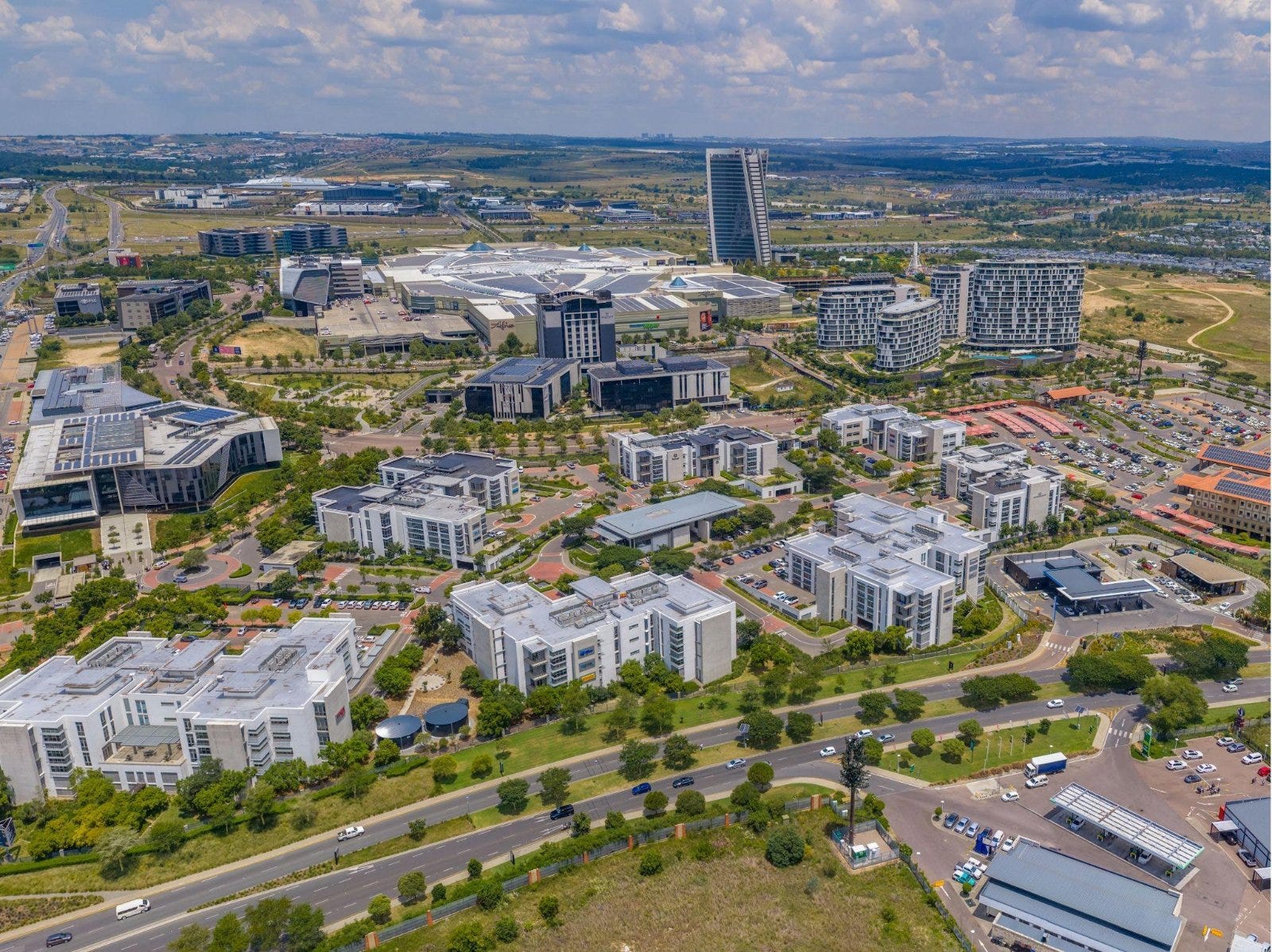
Waterfall City, where this year’s summit is being held, shows what the other side looks like. It’s on the N1 between Johannesburg and Pretoria, covers about 2,200 hectares, and is both stunningly successful and still being built. According to the Waterfall City Management Company, there are already more than 8,500 homes in various stages of completion, with 28,000 planned. We’ve made a documentary about how it got built, Building Opportunity, and it premieres at the summit.
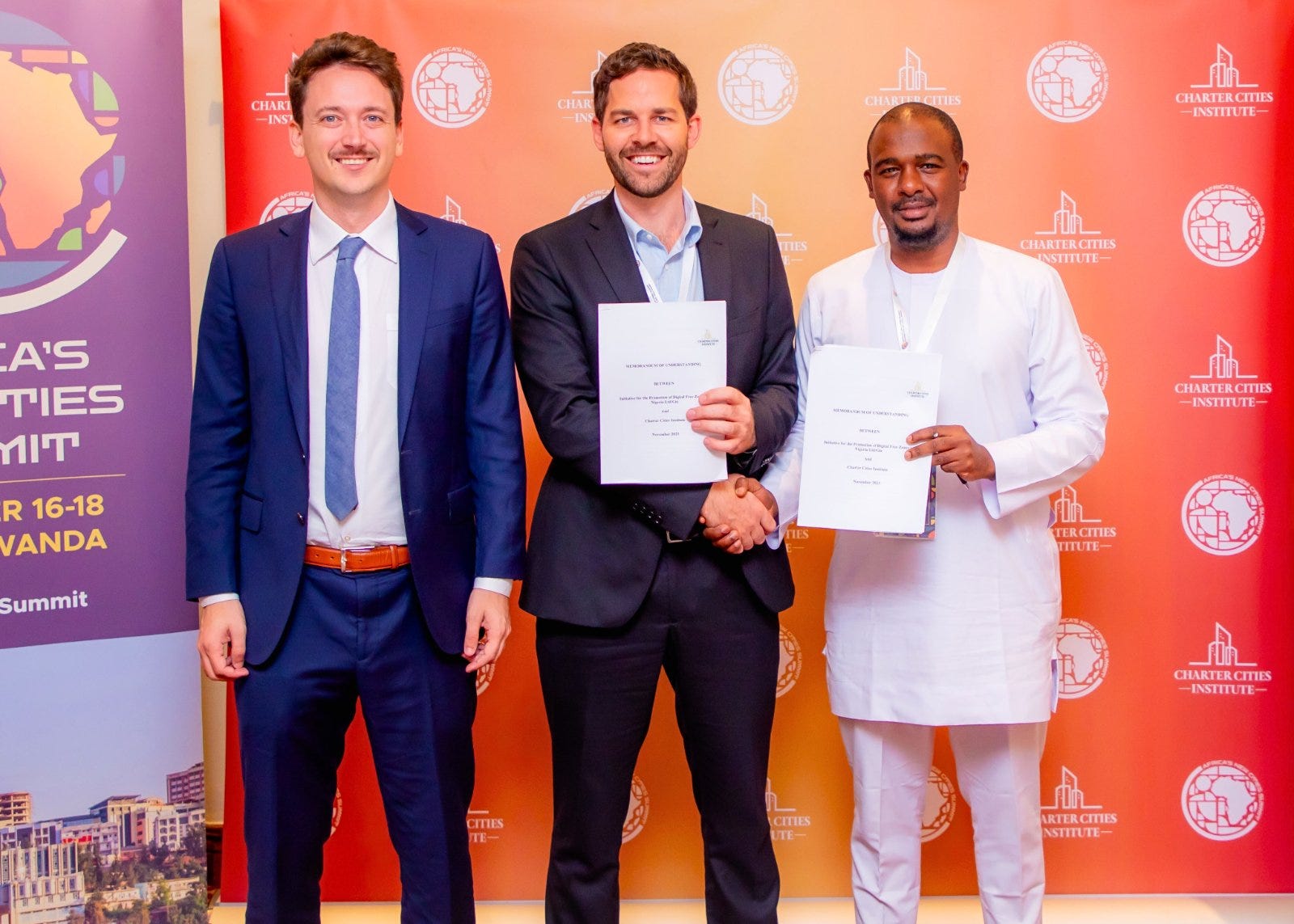
The Cities Investment Forum, which is part of the summit, tries to do the Phase Zero work before the pitch. It’s run by the Charter Cities Institute and Mineral Springs, an infrastructure advisory firm. Mineral Springs assesses each project in a selected group, helps the teams close their gaps, and then puts them in front of investors. Tatu City in Kenya, Fumba Town in Zanzibar and Kigali Innovation City in Rwanda have all taken part, along with more than a dozen others, and Mineral Springs has helped move more than $10.4 billion of infrastructure capital.
As Mark Lutter, our founder and executive director, puts it: “Africa’s cities will add hundreds of millions of people in the coming decades, and the projects that house them need capital, infrastructure and good governance at the same time. This Summit puts the people who control each of those in one room, inside a city that is being built right now.”
Speakers include Daniel Yu, Founding Partner of Africa Jobs Fund; Mohan Vivekanandan, a member of DBSA’s Group Executive Committee; David Pilling, the Financial Times’ Africa editor; and Willie Vos, CEO of Waterfall City. The World Bank, the Johannesburg Chamber of Commerce and Industry and the Gauteng Growth and Development Agency are sending senior people too.
This is the third summit, after successful versions in Kigali in 2023 and Nairobi in 2025. It runs on 7–8 December 2026 in Waterfall City, Johannesburg. Whether you build, supply or fund what a city needs, or you’re simply curious how the continent’s future is being built, come and see it for yourself. Register here: newcitiessummit.org/tickets
One place to keep an eye on, is Harare. My forecast, is Harare will have two or three Citylets in five to 10 years time. Mt Hampden, Ruwa and Pomona.