
There is significant potential for exporting food products from neighbouring nations like Zambia, Burundi, and Rwanda to the Democratic Republic of Congo (DRC), a market of about 100 million people.
Tue Nyboe Andersen, managing director of Lusaka-based investment firm Kukula Capital, notes that the southern region of the DRC has an estimated population of 12 million, yet very little commercial agriculture. “There is a lot of informal trade finding its way across the border but for more structured exports, it is a headache to get products into the country. What works best is if you have a partnership with a Congolese entity that buys the products from Zambia. Trying to operate in the DRC from Zambia is not easy. So there are some challenges but there is a huge opportunity in the DRC,” he explains.Her firm has already initiated supply of Supreme Oil to a client in the DRC.Maize meal, a dietary staple in numerous Southern and East African countries, is the primary ingredient for traditional porridges.Countries on its eastern border, including Burundi and Rwanda, also stand poised to tap into this vast market.
For instance, businessman Claude Nikondeha, founder of Burundi Fortified Foods (BFF), has identified a significant demand for his company’s products in the eastern part of the DRC. Nikondeha believes the region offers a larger market with higher purchasing power than Burundi. His company, which produces various porridges, has already started selling its products in modest volumes. Nikondeha is currently considering strategies to enhance its sales in the region, weighing whether to establish a factory in the DRC or continue exporting from Burundi.
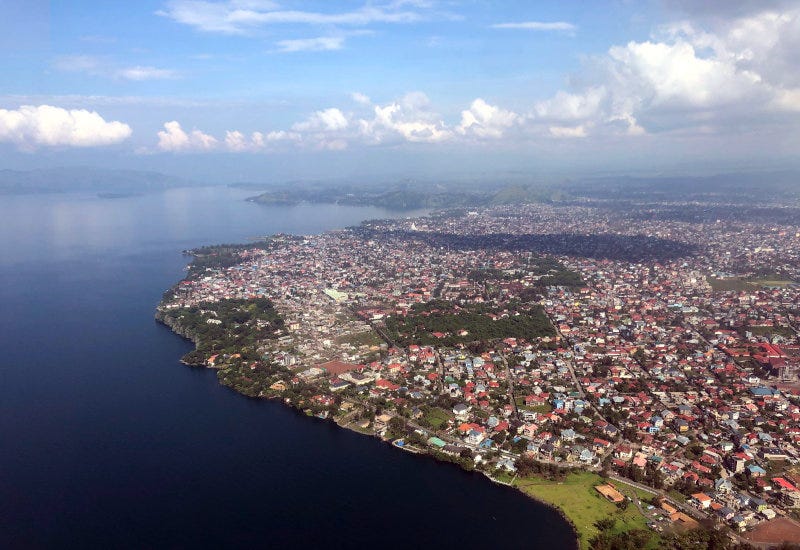
One of the upsides Nikondeha highlights about trading in the DRC is the pricing of goods in US dollars. This hard currency generation in the DRC is particularly beneficial for BFF because it needs it to import ingredients like powdered milk and packaging materials from Europe. In contrast, Burundi is grappling with a scarcity of US dollars, which underscores the attractiveness of the DRC market for BFF's business model.The company initially supplied Rwanda’s capital, Kigali, with sausages and other products. However, it managed to significantly increase its customer base when it began to sell in the eastern DRC city of Goma. “Our Goma customers connected us to others in Kinshasa,” explains founder Herve Tuyishime.With this inclusion, the DRC joined Kenya, Tanzania, Burundi, Rwanda, Uganda, and South Sudan in the economic bloc, which now encompasses an estimated 300 million people.