

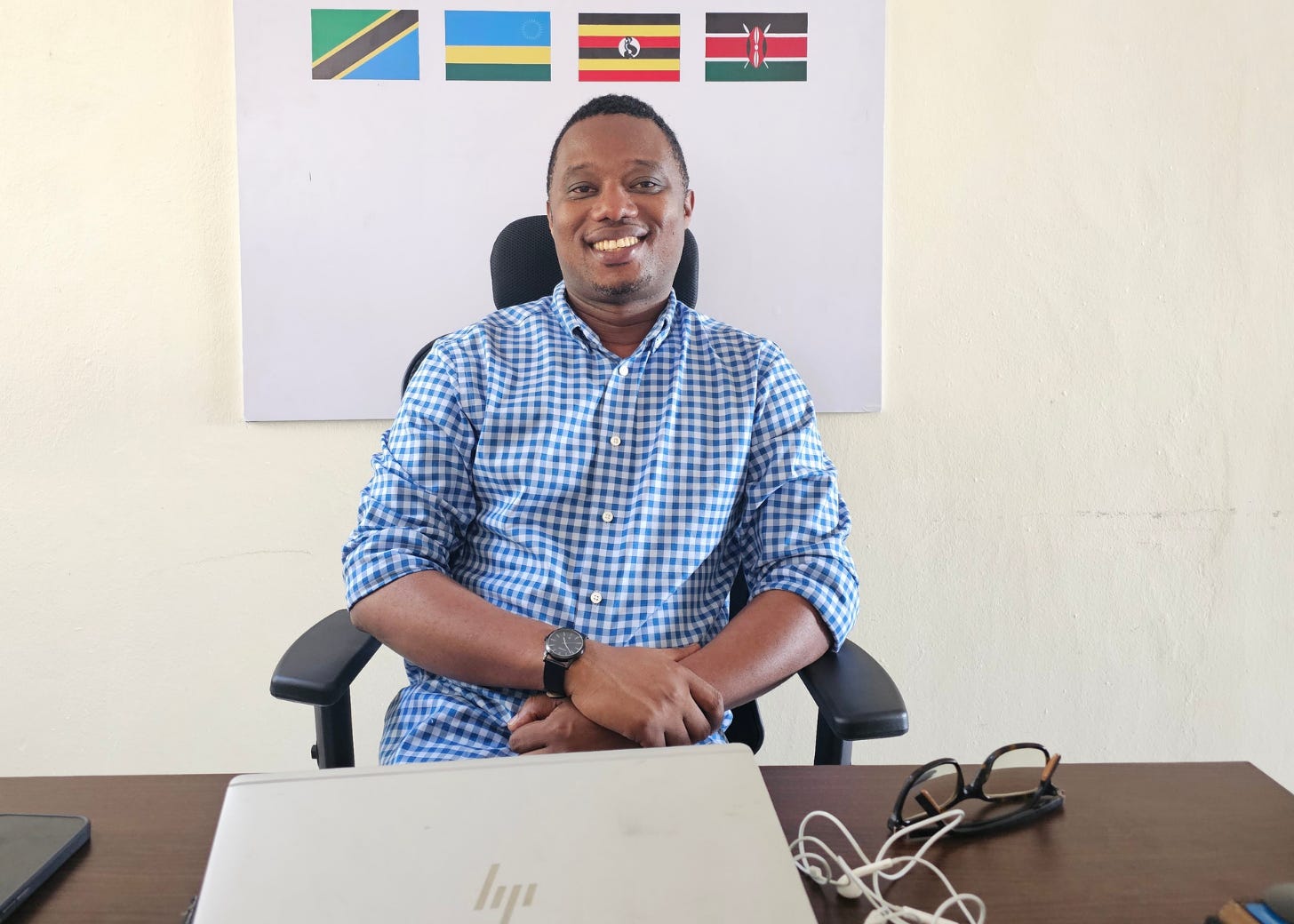
Herve Tuyishime started his own business with a simple ambition: to build a better life for himself and his family. A few years later, that same ambition cost them their home.
He had launched Paniel Meat Processing (PMP), a pork sausage venture based in Rwanda, with a bank loan. However, Tuyishime entered the industry with no experience, leaving him and his team to learn on the job. This led to costly mistakes that slowed the business down and made meeting the loan repayments a constant struggle.
Eventually, the bank moved in to recover its money. The collateral Tuyishime had offered was his family home, the place they all lived. “It was almost the only asset we had in the country,” he says. The loss was devastating. In 2016, the family packed up and moved to a rented property elsewhere in the capital, Kigali. His mother and siblings were upset, yet they continued to support him.
Despite the setback, Tuyishime pressed on. Once the loan was off the books – albeit at the cost of losing the house – the business began to stabilise and slowly grow. Today, PMP is one of Rwanda’s largest meat producers, and Tuyishime has also built a transport and logistics company that has become even larger than his original venture.
In 2022, the family moved into a new home, reclaiming what was lost.
At the end of 2024, PMP went public on the Stock Exchange of Mauritius.
Read about his remarkable entrepreneurship journey in our new book How we made it in Africa II: books.howwemadeitinafrica.com/
No experience, learning on the job" is the story behind a lot of African food processors, and it's usually the first two or three years that are most expensive: yields, wastage, product consistency and getting raw material in on time. What stands out here is that the business kept going long enough for the learning to pay off, all the way to a listing in Mauritius. Many founders would benefit from technical support in those first years, before a loan schedule makes every mistake fatal.